
Here are some tips on how to make a charcuterie board that is perfect for parties and gatherings.
When you make a purchase using a link on this page, we may receive a commission. As an Amazon Associate I earn from qualifying purchases. For more information, please see About Us.
This post is all about how to make a charcuterie board.
Charcuterie boards and grazing boards have become incredibly popular for parties and gatherings, and we think the concept is perfect for evenings at home, too. Filled with all kinds of delicious food, from cheeses to chocolates, a charcuterie board is the perfect party appetizer to satisfy many different appetites.

Whether you are looking for tips on how to make a charcuterie board for a party or how to make a charcuterie board to enjoy for a movie night, we’ve rounded up some ideas on how to make a great charcuterie board or grazing board for entertaining. This post explains what charcuterie is and gives you ideas on the different types of foods that can be used to make a charcuterie board. You’ll also find charcuterie board photos and images to inspire your charcuterie board creations.
The best thing about making a charcuterie board or a grazing board is that you can use your imagination and fill it with foods that you like.
You don’t even have to make it too fancy. Simply fold larger slices of meat in half and layer them on a board, pile up cubed meats or serve them in a bowl, add cheese and fruit, a bowl of jam or grainy mustard, and some crackers or toasted bread—and voila! you have a charcuterie board.
What are the Basic Ingredients of a Charcuterie Board?
There are five or six basic categories of foods that are often used to make charcuterie boards. These include:
- Cured meats, pâtés and terrines
- Cheese
- Fruit
- Pickles
- Bread
- Spreads
What is Charcuterie?
The word “charcuterie” refers to a type of prepared meat. Charcuterie usually consists of cured meats, like coppa, prosciutto, or salami, or cooked meats, like pâté or terrine.
What is a Charcuterie Board?
The term “charcuterie board” is often used to refer to a spread of meats, cheeses, and sweet, salty, and savory foods that are served on a board as appetizers for a special occasion, gathering, or party.
A charcuterie spread is often served on a bamboo or wood charcuterie board, but you can also use a bamboo or wood cutting board, a wood and marble cheese board, or a serving platter.
This charcuterie board is one of the more popular boards around. It features everything you need to make a great charcuterie board spread, including spaces for cheese, meats, nuts, dried fruits, and other types of foods. The set also includes a small fruit tray to keep fresh fruit separate from the meat and cheese.

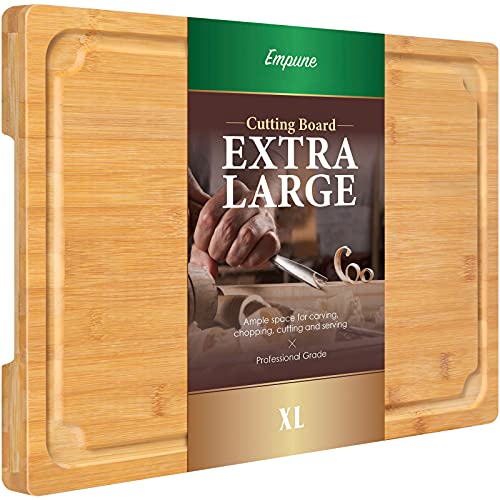
A wood cutting board or butcher block board can also serve as a place to make a charcuterie board. The idea is to have a clean, flat, food-safe surface to serve your best meat and cheese selections.
A set of small bowls or ramekins can be used to serve jams and sauces for the board. Include small spoons for removing the jam or sauce from the bowl.
You’ll also want to have other serving utensils for a charcuterie board, including a set of cheese knives for slicing and serving cheese.
Tongs and other serving utensils are great for picking up sliced meat and cheese, fresh and pickled vegetables, fruit, and crackers. Some charcuterie board sets come with cheese knives, but you may also want or need to buy your own separate charcuterie utensils.

Finally, appetizer plates or other small party plates, cocktail napkins, and toothpicks or appetizer forks and spoons are great to have for eating appetizers that are selected from a charcuterie board.
What Meats are Good for a Charcuterie Board?

The easiest way to buy charcuterie meats is to buy a charcuterie selection at the grocery store. You can find them in the deli section at many supermarkets and specialty stores.
A charcuterie selection usually comes with a variety of cured meats, like spicy coppa, sopressa, salami, and capocollo (also known as capicola). In any case, a selection of cooked or cured meats is what is usually served on a charcuterie board.
Here are some popular choices for cured meats to use for making a charcuterie board.
- Bresaola, a dried, salted, and aged beef
- Capicola and coppa, dry-cured pork
- Chorizo, look for Spanish-style dry-cured chorizo sausage
- Cured hard sausages, including pepperoni and salami
- Finochietta, a sweet dry sausage made with fennel seeds
- Jamón Ibérico, or Iberian ham, from cured leg of pork
- Jamón Serrano, or Serrano ham, a flavorful ham that is traditionally cured for a year or longer
- Pepperoni, one of the most recognizable cured meats
- Prosciutto, an Italian dry-cured ham
- Salami, cured sausage made with fermented and air-dried meat, usually pork
- Soppressata, a dry-cured Italian salami
Cured meats are dried to remove the moisture content. This helps to preserve the meat. Buy thinly sliced cured meats, or have your butcher slice them for you.
You may find that other types of cooked meat are served on a charcuterie board. These include pâtés and terrines.
What Cheese is Good for Charcuterie?
It is common to have two or three different types of cheese to serve on a charcuterie board. Different styles of cheeses, such as hard cheese, semi–hard or semi–soft cheese, crumbly cheese, and soft cheese, are often represented on a cheese plate or charcuterie board.
Here are some popular types of cheese to use on a charcuterie board.
- Hard cheese: Asiago, Manchego, Parmesan
- Semi-hard or firm cheese: Cheddar, Gouda, Gruyère
- Semi-soft cheese: Havarti, Muenster
- Crumbly cheese: blue cheese, Cotija, feta cheese, goat cheese, Gorgonzola, Roquefort
- Soft cheese: Brie, Burrata, Chèvre, flavored cream cheese, aged Camembert
When it comes to serving cheese, one tip is to take the cheese out of the refrigerator for about 15 to 20 minutes before serving, so that the cheese has time to soften up before serving.
Here is a post on how to make a cheese plate or cheese board that includes descriptions for some popular types of cheeses to use for making a cheese board or appetizer board, and suggestions on how much cheese to buy for a cheese board.
What Pickled and Brined Foods are Good for Charcuterie?
Pickled foods and brined foods are popular for including on a charcuterie board. These salty foods taste great when paired with meat, cheese, and sweet fruit.
Often, you will see a bowl of olives nestled among the meat and cheese on a charcuterie board. Olives are a great choice, and they come in many delicious varieties and flavors.

Gherkins and small pickles, like cornichons, are another good choice, as are marinated mushrooms and pickled onions.
Pickled vegetables help to cut through the richness of cured meats, while marinated vegetables add savory flavors to the board.
What Bread is Good for Charcuterie?
Crackers are an easy and popular choice for bread to use when making a charcuterie board. Especially good are selections of crackers that include rosemary, fig, or other flavors.
Breadsticks are another fun food to include on a charcuterie board. Cheese breadsticks are always popular.

Homemade toast is another good choice, and it’s easy to make. To make a homemade toasts that you can use for charcuterie, thinly slice a loaf of French bread, and then butter one side of each slice or rub it with olive oil and a cut garlic clove.
Arrange the bread slices, buttered or oiled-side up on a rimmed baking sheet lined with parchment paper. Bake the bread in a preheated oven at 400 degrees Fahrenheit for 5 to 7 minutes or until the bread is slightly crispy to taste. Allow the toasted bread to cool before serving.
What Fruit is Good for Charcuterie?
Fresh fruits and dried fruits are popular foods to add to charcuterie boards. Seasonal fruits are best for the board. Figs are a popular fruit to use for making charcuterie boards during fall and winter, for example.
Other great choices include apple butter or preserves, pear butter or preserves, and sliced apples or pears coated in lemon juice to help keep them from browning. Here are some other ideas on what to put on a fall charcuterie board that makes a perfect appetizer for fall and winter parties.

Spring fruits may include fresh berries, while summer fruits like melon and watermelon are great choices during the warmer months of the year.
Dried fruit, including sliced apples, pitted dates, figs, and apricots are also very popular.
Jams and preserves are another great way to add fruit flavors to a charcuterie board—think mango salsa, spicy pineapple jam, and fig jam, for example.
What Jams and Preserves are Good for Charcuterie?
Sweet and spicy jams and preserves pair well with cured meats. Popular choices include apricot jam, blackberry jam, cherry jam, and fig jam. Savory pepper jelly and onion jam are also good jams to serve on charcuterie boards.
Whole grain mustard is great for charcuterie, as it tastes good when piled on a cracker or toasted bread with meat and cheese. Mostarda is a classic condiment to serve with charcuterie.
Jams, mustards, preserves, and spreads are fun to experiment with to find your favorite flavors.
What Else Can I Use for a Charcuterie Board?
A charcuterie board can include almost any appetizer-type food that you like. The choices are many, limited only by the foods that are available and how you choose to create your charcuterie board. Seasonal charcuterie boards are also popular to make, like these ideas for making a fall charcuterie board that is perfect for the holiday season.
How Much Food Should I Buy to Make a Charcuterie Board?
In many cases, creating a charcuterie board is more of an artistic endeavor than an exact science. Especially in the case of grazing boards, it’s not unusual to create small piles of many different types of foods that your guests can sample until the food is gone.
Here are some ideas on creating a charcuterie board for a small party of about 6 to 8 people. You may wish to buy more or less of each ingredient, depending on your preferences.
A good rule of thumb is to buy about 4 to 6 ounces of charcuterie meat per person, and 1 to 2 ounces of each type of cheese that you plan to serve, per person.
You may need to buy more of each ingredient if the charcuterie board is the main food option for a party. In any case, it can be a good idea to buy a little extra of each ingredient, just in case you have hungry guests who really enjoy stopping by the charcuterie board while mingling, and you find that you need to refresh the board with more ingredients.
Plan to have at least 4 to 6 ounces of crackers or chips per person or 1 large baguette for a party of 6 to 8 people. Or simply buy a few boxes of crackers and a large bag or two of pita chips to serve as the bread option for a charcuterie board.
If serving fresh fruit, core and slice 2 to 3 medium apples, or have 2 to 3 clusters of seedless grapes washed and ready to serve. Otherwise, a few handfuls of dried apricots or other dried fruits can be used to add a fruit option to the board.
Finally, add a small bowl each of olives, nuts, and a jam or spread to finish off your charcuterie board. You can also substitute the olives for marinated onions or mushrooms or pickled vegetables—whatever you have on hand. Or serve other types of crunchy appetizers, such as wasabi peas or corn nuts, instead of nuts on a charcuterie board.
You may need less food if the charcuterie board is being served as an appetizer before a meal, or more food if the charcuterie board is the main food selection for a party or gathering. It can be a good idea to buy a little more food than you think you will need to use when first learning to make a charcuterie board.
As you learn what people prefer and how much they tend to eat over time, you’ll find that it becomes easier to know how much of each ingredient to buy when planning to make a charcuterie board.
Making a charcuterie board is a fun, creative, and experimental art that you can perfect over time. Each charcuterie board is unique, and that is what makes the charcuterie board such a great appetizer to serve for a gathering or dinner party.
This post was all about tips on how to make a charcuterie board and what foods to use when making a charcuterie board.
— —
Credits
- Featured title photo by RDNE Stock project / Pexels
- Additional photos by Theme Photos / Unsplash, RDNE Stock project / Pexels, Kaboompics / Pexels, and Jenna Stensland / Unsplash
- Photos and images are for illustrative purposes only.